

Russia threatened to bomb four places in the UK where drones and equipment for Ukraine are being manufactured: RAF Mildenhall, London, Leicester, and Reading, according to multiple reports. In response, the International Commission on Radiological Protection advises UK households to buy five essential items in the event of a nuclear attack and to identify potential shelters in homes, workplaces, schools, and on commutes. According to the ICRP, a survival kit should include a torch with extra batteries, power banks, a battery-powered AM radio, a whistle, a dust mask, plastic sheeting, scissors, duct tape, wipes, bin bags, plastic ties, a wrench or pliers, a can opener, and local maps.
The commission also recommends assembling a first aid kit with essential tools and medications to treat injuries and burns, as well as any necessary daily medications. A stock of bottled drinking water is crucial, with two litres per day per person for drinking and two to four litres per day per person for hygiene and decontamination to last a week or two, plus additional water for pets. The kit should include several days’ worth of long-life food, including pet food, spare clothes and footwear with name tags for children, family documents, sleeping bags or blankets, a fire extinguisher, mess kits, paper and pencil, and activities like books and puzzles.
While it’s unlikely that a heavy snowfall will leave you without any heating, it's always worth keeping sleeping bags, blankets, and warm coats handy.
The ICRP suggests that if a home has a basement, buying five things and storing them there can aid in survival. Experts suggest agreeing with family and friends about actions in the event of a nuclear detonation, and everyone in a household should know where the emergency kit is and where to shelter. The commission also advises learning some basic first aid skills for traumas such as bleeding, puncture wounds, head injuries, and spine injuries, as well as burns.
A Redditor created a map which sets out the exact blast and fallout zones for atomic bombings of major population centres across the country, according to multiple reports. Cities which would be all but wiped off the map include Sheffield, Manchester, Birmingham, Liverpool, most of London, Cardiff, Newcastle, Edinburgh, Glasgow, Portsmouth, Plymouth, and Swansea, according to the graphic. Areas that would escape this onslaught include St David's, St Asaph, Truro, Matlock, Bakewell, Chester, and Worcester.
It’s a good habit to have at least three days’ worth of food and essentials stored in an easy-to-reach part of your home.
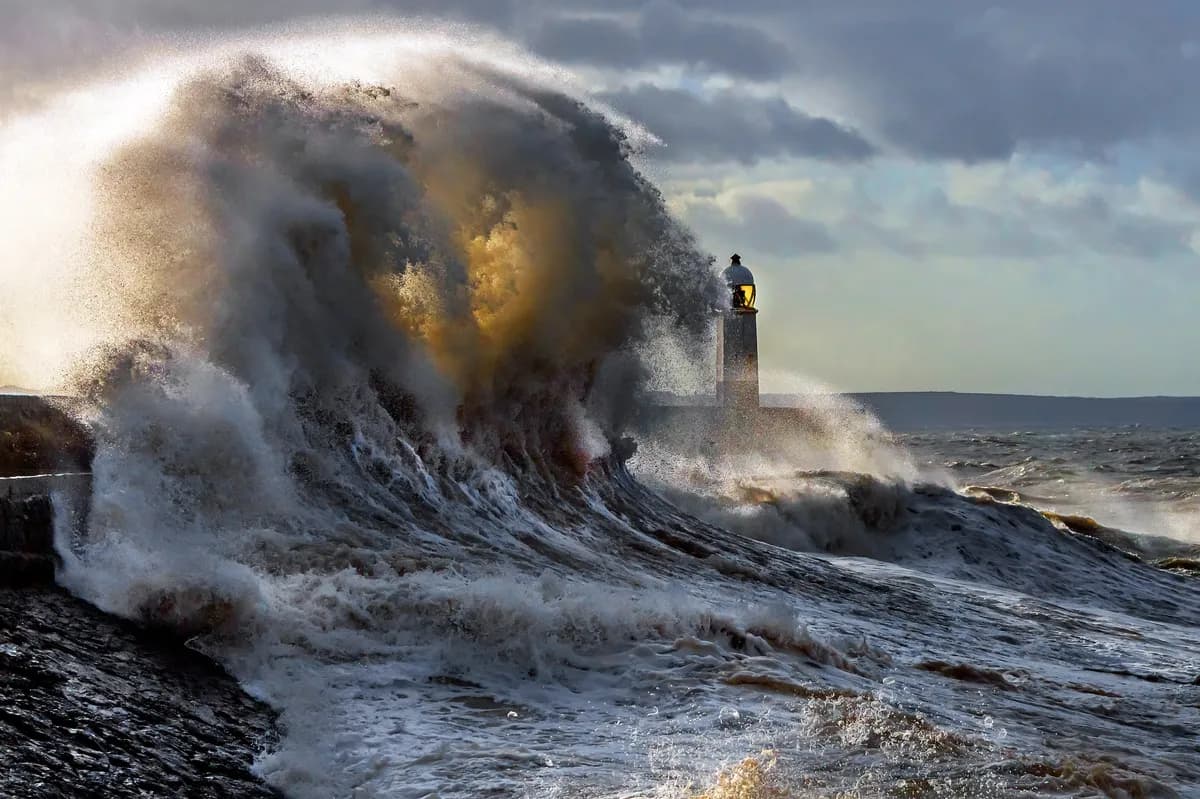
Meanwhile, the Met Office has issued a yellow weather warning for heavy snow starting at 3pm on Saturday for Scotland, lasting 12 hours until 3pm on Sunday, the forecaster reported. The Met Office is warning areas in England, Wales, and Northern Ireland to brace for strong winds and possible power cuts. According to the Met Office, snow and blizzard conditions may disrupt travel for parts of northwest Scotland in association with Storm Dave.
During the evening snow may turn heavier and as winds increase, blizzard conditions with drifting and blowing snow likely to lead to very poor visibility across the hills and mountains of the northwest of Scotland. Accumulating snow on roads will mostly be above 200 m elevation, where 5-10 cm is possible and a small chance of 10-20 cm. Energy giant British Gas has advice for UK households set to battle heavy snow this weekend, with several areas expecting blizzard conditions on Saturday and Sunday, according to major media reports.
That’s things like medicines, drinking water, non-perishable food and snacks, and extra blankets. You should also keep a torch, batteries, and a phone charger close by too.
The supplier's list includes improving insulation, such as weatherproofing gaps around windows and doors, and protecting pipes by putting insulating tubing on any exposed pipes for boilers or heating or water supply. British Gas also recommends storing extra wood for a log burner indoors, in case access is limited, and not putting electric heaters near furniture. The firm urged people to check smoke detectors and carbon monoxide detectors, especially if using indoor heating like a log burner, and households were advised to check where their stopcock is in case they need to turn off the water supply due to a burst pipe.
British Gas told households to prepare for not having heating. According to British Gas, while it’s unlikely that a heavy snowfall will leave you without any heating, it's always worth keeping sleeping bags, blankets, and warm coats handy. The supplier also urged people to make an emergency kit, adding that it’s a good habit to have at least three days’ worth of food and essentials stored in an easy-to-reach part of your home.
Have your brakes, heater, tyres, and windscreen wipers checked to make sure they're in good working order before winter.
That includes things like medicines, drinking water, non-perishable food and snacks, and extra blankets, and you should also keep a torch, batteries, and a phone charger close by too. For those with a car, the firm said to check several key things: have your brakes, heater, tyres, and windscreen wipers checked to make sure they're in good working order before winter. A UK government campaign for emergency preparation includes advice on a kit with nine items that households might need in various kinds of disasters, according to the government.
The emergency kit, along with other pieces of advice for emergency preparation, was put together so households can be ready for a number of events, such as extreme weather, conflicts, or infrastructure failure. Brits should have emergency plans in place, and it's useful to have these kits ready to go at any time. The government states that you should consider what supplies you and your household might need during an emergency lasting a few days, such as a power cut or water outage, or situations where you are advised to stay at home or to leave your home for safety reasons.
These kits should be located in a place where they're easy to find, especially if the power goes out and lights are off. The government advises that you should ensure you have enough of the medication you need to keep you going for several days. As part of the emergency prep advice, the government lists nine items to pack: a battery-powered or wind-up torch, portable power bank, battery or wind-up radio, spare batteries, first aid kit, hand sanitiser and wet wipes, bottled water, non-perishable foods, and baby supplies.
A portable power bank is important for charging phones, while a radio is useful for getting official updates during a power cut. A first aid kit should include items such as waterproof plasters, bandages, a thermometer, antiseptic, eyewash solution, sterile dressings and gloves, medical tape for dressings, and tweezers. 5-3 litres of drinking water per person per day, but 10 litres per person per day will make you more comfortable, as it can also be used for cooking and hygiene needs, according to the UK government.
Non-perishable foods should be items that don't need to be cooked, such as ready-to-eat tinned meat, fruit or vegetables, and a can opener would also be useful. You also shouldn't forget food for pets. For babies, ready-made or ready-to-feed formula is best, as you might be in a situation where you can't boil water or sterilise bottles.
The US Department of Homeland Security recommends storing items in airtight plastic bags and placing your entire disaster supplies kit in one or two easy-to-carry containers, such as plastic bins or a duffel bag.